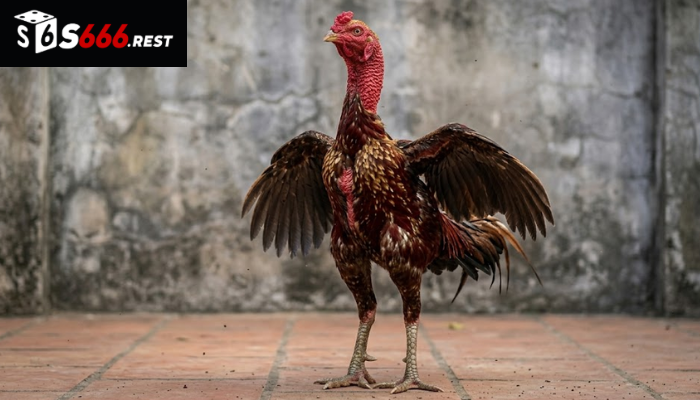
Every time a breeder selects a new chick, they are essentially betting on a biological blueprint that requires specific environmental triggers to manifest. Success in this field relies on an intricate understanding of Cách Nuôi Gà Đá, which emphasizes the balance between raw power and metabolic efficiency. Many professionals who use s666 understand that the internal health of the bird is just as vital as its outward appearance. By focusing on bone density and respiratory capacity from a young age, you ensure that the animal can withstand the rigors of intense physical exertion. This methodical approach transforms a standard farm bird into a specialized athlete capable of sustained performance.
Beyond that, the structural integrity of the bird’s legs and wings must be developed through consistent, low-impact resistance training. It is not enough to simply provide a high-protein diet; the bird must be able to convert those nutrients into lean muscle mass without gaining excess weight. In addition, the psychological temperament of the bird plays a critical role in its eventual success. A bird that is easily startled or lacks focus will struggle to apply its physical training when it matters most. For those who are serious about this craft, every detail from the humidity of the coop to the specific minerals in the water supply contributes to the final result.
Optimizing Nutritional Ratios for Peak Physical Performance
A significant portion of success in poultry conditioning comes down to the precise ratio of carbohydrates to proteins during different growth phases. While many amateur breeders rely on generic grain mixes, the expert approach to Cách Nuôi Gà Đá involves tailoring the diet to the bird’s specific metabolic rate. During the early stages, the focus remains on skeletal development, requiring high levels of calcium and phosphorus. Notably, as the bird matures, the emphasis shifts toward muscle fiber recruitment and energy storage.
One thing very few actually pay attention to is the role of fermented grains in improving gut health. A healthy digestive tract allows for better nutrient absorption, which directly impacts the glossiness of the feathers and the hardness of the scales on the legs. To achieve the best results, consider the following dietary components:
Soaked paddy rice to improve digestion and prevent bloating.
Fresh greens such as water spinach or bean sprouts for essential fiber.
Small amounts of lean protein like crickets or beef to support muscle repair.
Natural supplements like crushed garlic to boost the immune system.
Another key aspect of nutrition is the timing of the meals, as consistent feeding schedules help regulate the bird’s internal clock. Beyond that, hydration levels must be monitored closely, especially in warmer climates where dehydration can lead to muscle cramping. For those who want to push the boundaries of performance, integrating specific vitamins into the water supply can provide the necessary edge during the peak of the conditioning cycle.
Advanced Environmental Control and Coop Management Strategies
The physical environment where a bird spends its resting hours is just as important as the training ground itself. In the context of Cách Nuôi Gà Đá, the coop must be designed to provide maximum ventilation while protecting the bird from dampness and parasites. Moisture is the primary enemy of a healthy bird, as it facilitates the growth of bacteria and weakens the respiratory system. By maintaining a dry, clean environment, you reduce the risk of infections that could sideline a promising athlete for weeks.
In addition, the lighting conditions within the coop influence the bird’s hormonal balance and molting cycles. Controlling the amount of natural light exposure ensures that the bird maintains its peak plumage and remains alert during daylight hours. Notably, the flooring of the coop should be soft enough to prevent foot injuries but firm enough to keep the bird’s legs active. Many experts prefer using a mix of sand and dry husks to provide a natural cushion that also encourages the bird to forage and move.
Beyond that, social isolation is often necessary for mature birds to prevent unnecessary skirmishes and stress. While younger birds benefit from social interaction, the final conditioning phase requires a controlled environment where the bird can focus entirely on its own physical development. One thing very few actually pay attention to is the impact of noise pollution on a bird’s stress levels. A calm, quiet environment allows for deeper rest, which is essential for muscle recovery and mental clarity.
Strategic Exercise Regimes for Enhanced Agility and Stamina
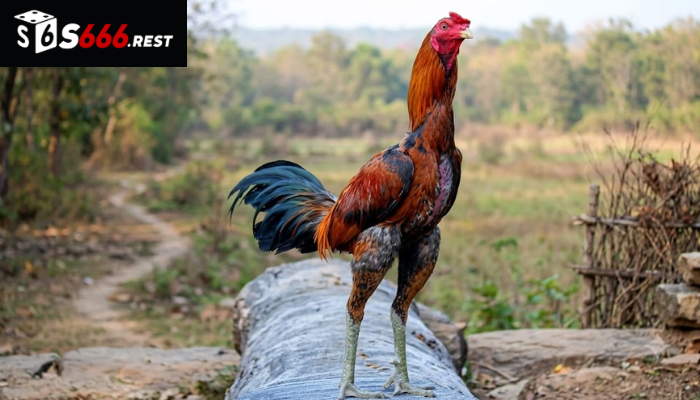
Physical training must be progressive, starting with simple movements and gradually increasing in intensity to avoid injury. A core component of modern conditioning involves “vần hơi,” a practice that improves the bird’s breathing and cardiovascular endurance without causing physical trauma. This method allows the bird to build stamina and learn how to manage its oxygen intake during periods of high activity. In addition, leg strength is developed through controlled jumping exercises and short-distance sprints in a confined space.
Another key aspect of the training process is the “quay lồng” technique, which encourages the bird to move in circular patterns. This develops the lateral muscles and improves the bird’s ability to change direction quickly. For those who prioritize agility, these exercises are indispensable for creating a versatile athlete. Consider these specific training goals:
Increasing wing flap frequency to improve balance and lift.
Enhancing neck muscle strength through targeted resistance movements.
Developing “lì lợm” or the mental toughness to endure long sessions.
Improving the hardness of the skin through traditional herbal washes.
Beyond that, the recovery period after each session is just as vital as the exercise itself. Using warm herbal compresses can help soothe sore muscles and improve blood circulation to the extremities. Notably, the use of traditional liniments made from ginger and salt can toughen the skin, making it more resistant to abrasions. For those who follow these rigorous standards, the transformation of the bird’s physical presence becomes evident within just a few weeks of consistent application.
Long Term Health Monitoring and Preventative Care
Maintaining the health of a high-value bird requires a proactive approach to biosecurity and internal wellness. A significant portion of the conditioning process involves regular checks for external parasites like mites and lice, which can drain a bird’s energy and cause irritability. In addition, internal deworming schedules must be strictly followed to ensure that the bird is not competing for nutrients with parasites. For those who manage large numbers of birds, record-keeping becomes an essential tool for tracking growth rates and identifying potential health issues early.
One thing very few actually pay attention to is the subtle change in a bird’s droppings, which can be an early indicator of digestive distress or viral infection. By monitoring these signs daily, a breeder can adjust the diet or environment before a minor issue becomes a major problem. In addition, vaccinations against common avian diseases provide a necessary safety net for the entire flock. Beyond that, the quality of the air in the training area should be kept free of dust and ammonia to protect the bird’s sensitive lungs.
Another key aspect of long-term care is the management of the molting season. During this time, the bird’s energy is redirected toward feather production, meaning physical training must be scaled back significantly. Providing extra protein and minerals during this phase ensures that the new feathers are strong and flexible. For those who understand the biological needs of the bird, this period of rest is seen not as a setback, but as a necessary phase of the annual cycle that prepares the athlete for future challenges.
Conclusion
Mastering the complexities of avian conditioning requires a blend of traditional wisdom and modern biological insights. By focusing on the core principles of Cách Nuôi Gà Đá, you create a foundation of health and power that is difficult to replicate through shortcuts. This journey is one of patience, observation, and continuous refinement of your methods. As you apply these techniques, you will notice a profound difference in the resilience and spirit of your birds. Take the next step in your breeding journey and see the results of professional-grade conditioning for yourself. Register now.