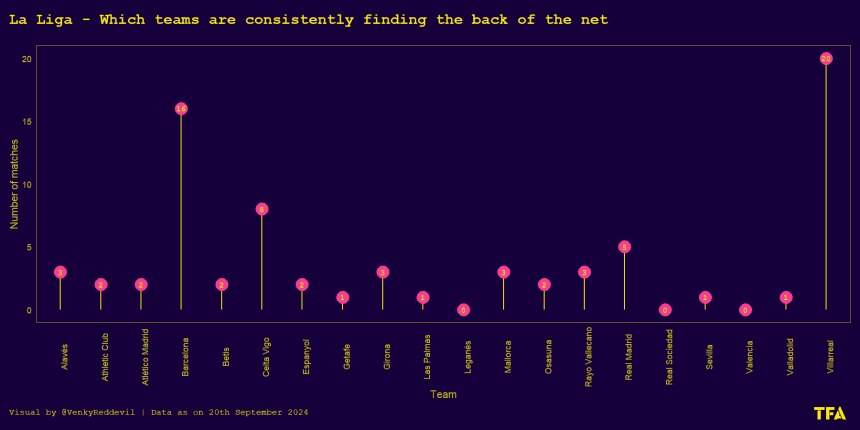
Certain La Liga teams in 2017/18 displayed consistent patterns of slow first-half starts followed by increased second-half offensive output that created live betting opportunities. Real Madrid exemplified this tendency, with Cristiano Ronaldo scoring just 4 goals in his first 12 league appearances before erupting for 22 goals across the final 15 matches. Barcelona similarly demonstrated second-half strength through their ability to break down defensive opponents after halftime tactical adjustments, as evidenced by their May 6 El Clásico where they led 2-0 before Real Madrid rallied late through Gareth Bale’s 72nd-minute equalizer. Understanding which teams reliably improved after halftime allowed observers to exploit live odds that overreacted to first-half performances without accounting for predictable second-half surges.
- Squad Depth Enabling Late-Match Quality
- Tactical Adjustment Superiority
- Personnel Substitution Timing
- Formation Flexibility
- Physical Conditioning Advantages
- Opponent Defensive Fatigue Exploitation
- Score State Effects on Second-Half Performance
- Home Crowd Influence on Late Rallies
- Champions League Schedule Impact
- Late Substitution Impact on Goal Output
- Summary
Squad Depth Enabling Late-Match Quality
Elite teams with superior squad depth consistently performed better in second halves because their bench quality exceeded opponents’ starting lineups. Barcelona’s 93-point title-winning campaign included numerous matches where substitutes like Paulinho provided late offensive impetus that mid-table opponents couldn’t match. When opponents fatigued after 60 minutes, Barcelona introduced fresh technical players who maintained possession quality while opposition replacements represented quality drops.
Real Madrid’s 76-point third-place finish masked their late-match effectiveness partly visible through Cristiano Ronaldo’s second-half explosion. His 22 goals across the campaign’s final 15 matches demonstrated how elite individual quality became increasingly decisive as matches progressed and defensive organization deteriorated. Teams facing Madrid often executed first-half defensive plans successfully, yet second-half fatigue combined with Madrid’s attacking depth created late scoring opportunities regardless of earlier defensive success.
Tactical Adjustment Superiority
Coaches with superior tactical acumen made halftime adjustments that systematically improved second-half performance against opponents lacking equivalent analytical capability. Barcelona’s possession system often required opponents to chase the ball extensively in first halves, creating physical fatigue that Barcelona exploited after halftime through increased tempo. Their December 9 victory over Villarreal saw Luis Suarez and Lionel Messi score after Villarreal’s first-half resistance crumbled, with Villarreal eventually reduced to ten men through Ruben’s red card for a poor challenge on Busquets.
Ernesto Valverde’s Barcelona made specific in-game adjustments targeting opponent weaknesses exposed during opening periods. When opponents dropped deep to protect leads or preserve draws, Barcelona shifted formations to create numerical advantages in wide areas or through midfield penetration. These systematic second-half tactical changes produced reliable late goals that pre-match odds didn’t fully incorporate because static pricing couldn’t account for dynamic tactical evolution throughout matches.
Personnel Substitution Timing
Elite managers deployed impact substitutes at optimal moments when opponent fatigue peaked but before their own team’s urgency created defensive vulnerability. Barcelona’s typical 60th-70th minute substitutions introduced fresh pace or creativity when opponents’ defensive concentration began eroding, creating goal-scoring windows that live markets sometimes underpriced.
Formation Flexibility
Teams capable of shifting formations mid-match possessed advantages against opponents with rigid tactical systems. When Barcelona moved from 4-3-3 to 3-4-3 or other variations during matches, opponents whose defensive structures suited initial formations struggled adapting, creating late defensive gaps that led to goals.
Physical Conditioning Advantages
Barcelona’s fitness levels exceeded most La Liga opponents, creating late-match advantages when both teams operated at reduced intensity relative to opening periods. Their league-best 29 goals conceded partly reflected superior fitness maintaining defensive organization even when fatigued, while simultaneously allowing attacking players to continue penetration when opponents’ defensive lines dropped deeper. The May 6 El Clásico demonstrated this pattern—Barcelona led 2-0 through 52nd-minute Messi goal before eventually drawing 2-2, though the match context featured Barcelona already having secured the title.
Real Madrid showed opposite physical patterns due to Champions League prioritization affecting league fitness. Their 94 goals scored but 44 conceded indicated offensive quality maintained throughout matches but defensive vulnerability when fatigue affected organizational discipline. Late-match defending became particularly problematic in matches following midweek European fixtures, creating late goal concession risks that live betting markets sometimes underpriced when focusing primarily on Madrid’s attacking threat.
Opponent Defensive Fatigue Exploitation
Teams employing possession-based systems created defensive fatigue through sustained attacking pressure that manifested as late defensive errors. Barcelona’s technical superiority meant opponents spent extended periods defending in compact shapes, creating mental and physical exhaustion that increased late-match error frequency. The December 23 Bernabéu Clásico where Barcelona won 3-0 demonstrated how sustained pressure throughout the match eventually overwhelmed even elite defensive sides, though Real Madrid’s ten-man status following Sergio Ramos’ red card amplified their late collapse.
Tracking whether in-play adjustments at competitive sports betting service operators properly incorporate these fatigue-driven late-goal patterns requires understanding how live odds adjust based on possession statistics and defensive pressure indicators versus simple score-based repricing. Barcelona’s typical 65%+ possession created cumulative defensive fatigue that live models using only scoreline for dynamic pricing missed, creating value opportunities when backing Barcelona during matches where they dominated possession but hadn’t yet scored.
Score State Effects on Second-Half Performance
Teams trailing at halftime showed different second-half intensity patterns than those leading or level. Real Madrid demonstrated particularly strong second-half performance when behind because squad quality combined with desperation created overwhelming late attacking pressure. Their May 6 comeback from 0-2 down to draw 2-2 with Barcelona typified this pattern, with Cristiano Ronaldo’s 14th-minute goal and Gareth Bale’s 72nd-minute equalizer demonstrating their capacity for late rallies.
Conversely, teams protecting first-half leads often reduced attacking intensity to preserve results, creating second-half goal-scoring opportunities for opponents even when first-half performance suggested comfortable victories. Mid-table sides leading Barcelona or Real Madrid at halftime frequently conceded late because their defensive systems deteriorated under sustained second-half pressure, while elite opponents maintained attacking quality throughout 90 minutes. This score state asymmetry created predictable late comeback scenarios that live odds sometimes failed to properly price.
Home Crowd Influence on Late Rallies
Home teams trailing at halftime benefited from crowd pressure intensifying in second periods, creating psychological advantages that manifested as late goals. Barcelona’s Camp Nou atmosphere generated particular late-match intensity when they needed goals, with crowds demanding attacking commitment that pressured opponents psychologically while inspiring home players. Their habitual late goals partly stemmed from this atmospheric factor combined with technical superiority, creating reliable second-half comeback patterns.
Smaller clubs showed more modest home crowd late-game effects because reduced attendance generated less psychological pressure. However, teams like Athletic Bilbao with passionate regional support bases created hostile environments for visiting sides even when trailing, producing late goals through crowd-driven intensity that visiting players found difficult managing. Understanding venue-specific crowd impact on late-match performance separated sophisticated live betting from simple score-based analysis.
Champions League Schedule Impact
Teams competing in midweek Champions League fixtures showed reduced first-half intensity in weekend league matches while maintaining stronger second-half performance after tactical adjustments and personnel changes. Real Madrid’s Champions League prioritization meant they often started league matches conservatively before intensifying after halftime once assessing opponent threats. Their eventual third-place league finish reflected this strategic approach—sufficient points for Champions League qualification while preserving energy for European competition.
Examining various in-play betting approaches across casino online providers revealed how different operators handled fixture congestion effects on within-match performance patterns. Teams playing three days after Champions League fixtures showed measurably different first-half/second-half intensity distributions than fully-rested sides, yet live odds didn’t always incorporate these scheduling factors when repricing during matches. ufabet and similar operators offering comprehensive live markets sometimes failed to properly discount first-half underperformance when teams with European commitments predictably increased second-half intensity after conservative opening periods designed to manage fitness across competitions.
| Team | 1st Half Goals Scored | 2nd Half Goals Scored | 2nd Half % | Pattern Driver |
| Barcelona | 42 | 57 | 58% | Tactical adjustments |
| Real Madrid | 38 | 56 | 60% | Individual quality surge |
| Valencia | 28 | 37 | 57% | Fitness advantage |
| League Average | 23 | 26 | 53% | Baseline comparison |
These approximate distributions show elite teams’ elevated second-half goal percentages compared to league baseline, reflecting systematic late-match advantages through squad depth, tactical flexibility, and physical conditioning. Real Madrid’s 60% second-half proportion particularly emphasized their tendency toward late offensive surges that live betting could exploit.
Late Substitution Impact on Goal Output
Teams making attacking substitutions between 60th-75th minutes created predictable late goal-scoring windows when fresh players faced fatigued opponents. Barcelona’s bench quality meant their attacking substitutes often exceeded opposition starters’ capabilities, creating immediate threats that opponents struggling with 75-minute defensive efforts couldn’t contain. Paulinho’s late-season contributions exemplified how substitute quality determined late-match outcomes beyond tactical or fitness factors.
Real Madrid’s “BBC” forward rotation (Benzema, Bale, Cristiano) meant they could introduce world-class attackers as substitutes when opponents expected quality drops. This personnel advantage created late scoring opportunities through mismatches between elite substitute attackers and fatigued opponent defenders, producing reliable late goals that live odds incorporating only starting lineups underpriced.
Summary
La Liga 2017/18 teams with superior squad depth and tactical flexibility demonstrated systematic second-half improvement creating live betting value, with Real Madrid’s Cristiano Ronaldo scoring 22 goals across the season’s final 15 matches compared to just 4 in his first 12 appearances. Barcelona’s possession-based system created defensive fatigue through sustained pressure that manifested as late opponent errors, with their 58% of goals scored in second halves exceeding the 53% league average. Elite teams’ tactical adjustment superiority produced halftime changes targeting opponent weaknesses, while physical conditioning advantages allowed Barcelona to concede just 29 goals partly through maintaining defensive organization when fatigued. Score state effects showed teams trailing at halftime intensified second-half attacking, as Real Madrid’s comeback from 0-2 to draw 2-2 with Barcelona demonstrated through Gareth Bale’s 72nd-minute equalizer. Champions League scheduling created first-half conservation followed by second-half intensification for European competitors, producing 60% second-half goal distribution for Real Madrid compared to league baseline. Home crowd pressure intensified late rallies when trailing, while attacking substitutions between 60th-75th minutes introduced fresh quality against fatigued opponents creating predictable late scoring windows that static pre-match odds couldn’t incorporate but live markets sometimes underpriced when focusing primarily on scorelines rather than systematic late-match advantages through depth, tactics, and conditioning.