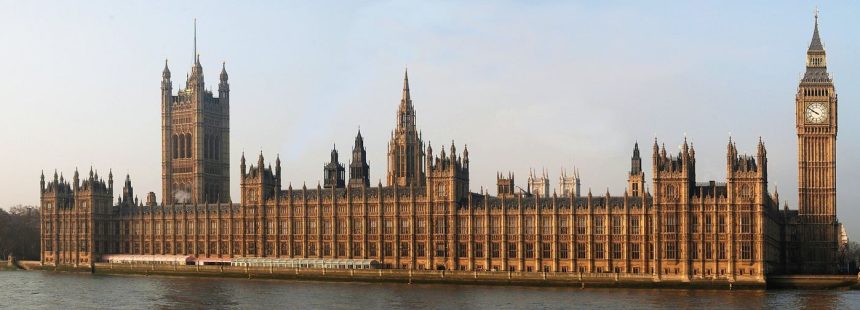
Chancellor Rachel Reeves delivered the 2026 Autumn Budget with tax rises on savings and property income alongside targeted help for households. From 6 April 2027, tax rates on property and savings income rise by two percentage points, to 24% for basic-rate taxpayers, 44% for higher-rate taxpayers and 49% for additional-rate taxpayers. The annual Cash ISA limit stays at £20,000, and a new Pension Tax Allowance will protect pensioners whose total income is at or below the full new State Pension from income tax. Households in council tax bands A to D in England will receive a one-off £100 Household Energy Payment from January 2027. The Budget was delivered against a backdrop of weak growth and pressure on public finances.
What the Evidence Shows
The Budget also promised to abolish gas standing charges by the end of 2027, benefiting about 23 million households, and to extend the fuel duty freeze until July 2027. Minimum wage rates rise by 3.9% from April 2027, and a £1 billion business rates package gives shops, restaurants and cafes in England a two-year real-terms freeze. The Office for Budget Responsibility forecast growth of 1.2% in 2026 and 1.0% in 2027, with inflation at 3.1% this year and 3.4% in 2027. Critics warned the savings tax rise would hit landlords and cash savers, while supporters said keeping the ISA allowance softened the blow. A new First Time Buyer ISA will replace the Lifetime ISA for new savers from April 2029. Reporting and analysis from sources such as International Monetary Fund track the same developments, and specialists following UK Autumn Budget 2026 say the direction is now consistent across independent lines of evidence.
The Wider Context
The wider context is a financial system repricing risk after a long era of cheap money. Decisions shaped by UK Autumn Budget 2026 are being made under closer supervisory attention, with stress tests and disclosure rules that assume conditions can worsen quickly. Institutions that planned for the benign case are adjusting in public, which is uncomfortable and healthy in equal measure.
What Happens Next
What happens next with UK Autumn Budget 2026 will be visible first in the data that professionals watch weekly: flows, spreads and the terms on new deals. Participants who spoke for this article expect a period of adjustment rather than drama, with the biggest effects landing on those who assumed the old conditions were permanent. Planning, as ever, is the cheapest hedge. You can follow related developments in our coverage of finance.
There is a practical lesson in all of this for readers deciding what to do today. Start with the verified facts, be wary of anyone promising certainty, and prefer reversible steps while the evidence is still developing. Circumstances differ by country, income and personal situation, so general guidance should always be weighed against your own context before you act on it in any significant or lasting way.