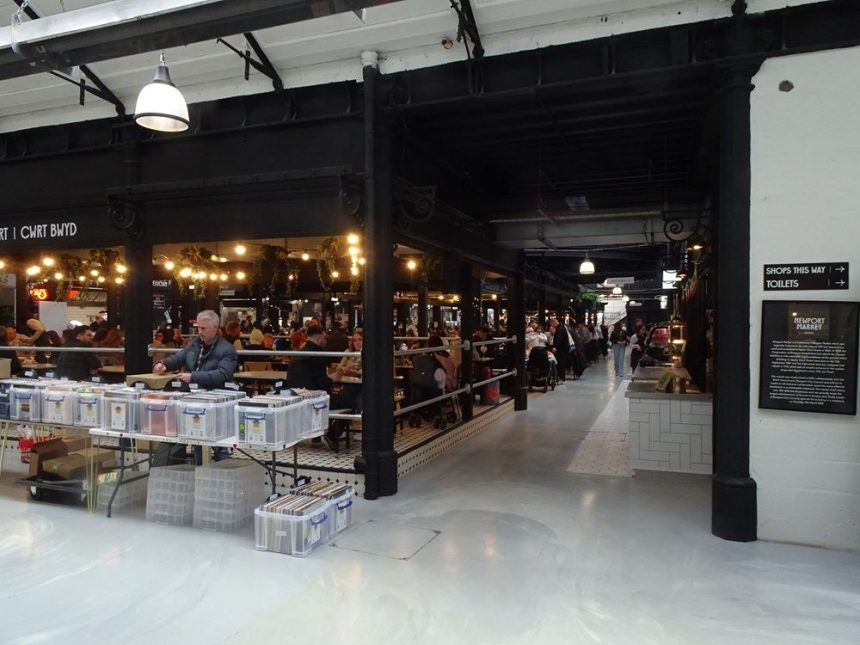
Market stalls are giving households an early warning system for food prices long before official inflation figures arrive. Traders in indoor markets see wholesale costs, shrinking pack sizes and changing customer habits in real time: shoppers switching to seasonal vegetables, buying smaller quantities more often and trading down on meat and cheese. Economists increasingly interview stallholders alongside reviewing scanner data, because markets reveal how families actually adapt when budgets tighten. The picture is nuanced, with some fresh prices easing while cooking oil, dairy and imported fruit remain stubbornly expensive for many shoppers.
What the Evidence Shows
Stallholders say loyalty schemes, end of day discounts and honest advice about cheaper substitutes help retain customers who might otherwise drift to discount supermarkets. Councils that invest in clean, affordable market halls protect both small traders and access to fresh food in town centres. For policymakers, the lesson is to watch lived prices, not only averages: a headline inflation fall means little if the specific basket poorer households buy keeps rising. Markets, noisy and imperfect, remain one of the clearest places to hear how food costs really feel. Reporting and analysis from sources such as World Bank track the same developments, and specialists following stalls reveal lived food prices say the direction is now consistent across independent lines of evidence.
The Wider Context
For households and small firms, stalls reveal lived food prices matters through prices and access rather than through market commentary. Changes at this level arrive as a rate on an offer letter, a fee on a statement or a product that quietly disappears from a comparison table. Consumer groups argue that transparency at exactly that point of decision is worth more than any amount of market-level reporting.
What Happens Next
The outlook for stalls reveal lived food prices hinges on policy choices that will be made in the open over the coming quarters. Market participants are positioned for more than one outcome, which is why the immediate reaction to each announcement has been smaller than the commentary around it. For ordinary savers and borrowers, the advice from every quarter is the same: review your own position, not the headlines. You can follow related developments in our coverage of finance.
It is also worth remembering how quickly the picture in this area has changed before. Positions that looked settled a few years ago have been revised as new data arrived, and the same humility is appropriate now. The strongest coverage of this subject, and the most useful advice, tends to come from sources that update their views openly when the facts move, rather than defending an earlier position long after it has stopped fitting the evidence available.
None of this will be settled by a single announcement, study or product launch. The pattern to watch is accumulation: independent confirmations, honest reporting of failures and steady improvement in the underlying numbers. Readers who follow those signals, rather than the loudest claim of the week, will understand this subject better than most of the commentary surrounding it suggests is possible.